
Herbal Wisdom: Lemon Balm
There are some herbs that announce themselves with bold colors or dramatic fragrances.
Lemon balm isn't one of them.
At first glance, it looks much like any other member of the mint family, with soft green leaves and tiny white flowers. Crush one between your fingers, however, and it releases the fresh scent of lemons, bright and cheerful, as though it has bottled a little sunshine.
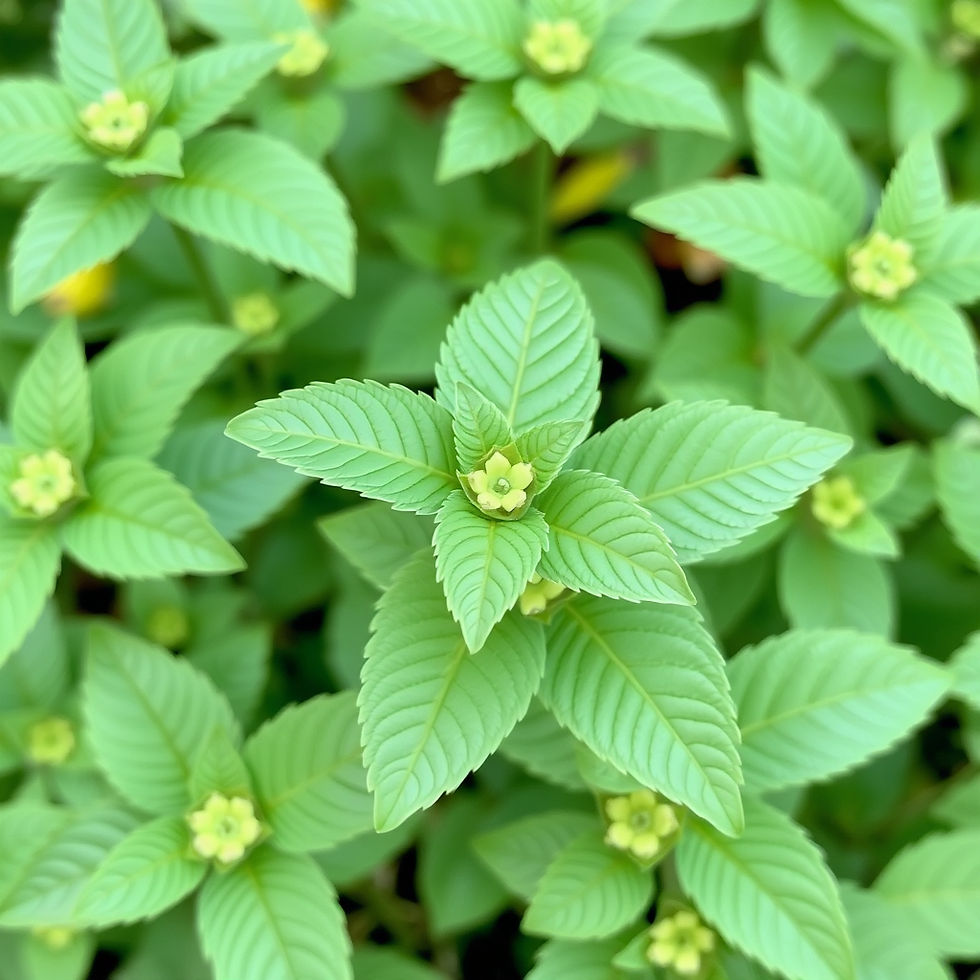
For centuries, lemon balm (Melissa officinalis) has earned a reputation as one of the gentlest herbs in the stillroom. Monks cultivated it in medieval monastery gardens, herbalists praised its comforting qualities, and beekeepers treasured it so much that its botanical name, Melissa, comes from the Greek word for "honeybee."
Today, it remains one of my favorite herbs for creating a peaceful moment in an often hurried world.
A Long History of Comfort
Lemon balm has been cultivated for more than 2,000 years.
Ancient Greek physicians wrote about its calming nature, while medieval herbalists steeped it into teas, infused it into oils, and added it to tonics intended to lift the spirits. It even became an ingredient in the famous Carmelite Water, a fragrant herbal preparation made by Carmelite monks beginning in the 17th century.
While we often think of herbs in terms of modern wellness, our ancestors simply valued those that helped them rest, recover, and find comfort after long days of work.
Traditional Uses
Traditionally, lemon balm has been used to:
Encourage relaxation during times of occasional stress.
Promote restful sleep when enjoyed as an evening tea.
Support healthy digestion, particularly after rich meals.
Soothe occasional nervous stomach discomfort.
Add a bright, lemony flavor to teas, syrups, and desserts.
Attract honeybees and other beneficial pollinators to the garden.
Modern research continues to explore lemon balm's potential role in supporting relaxation, mood, and cognitive function, although studies are ongoing and no herb is a cure-all.
Growing Lemon Balm
If you're new to herbs, lemon balm is wonderfully forgiving.
It thrives in USDA Zones 4–9 and prefers:
Full sun to partial shade
Well-drained soil
Regular watering during dry periods
Like its mint cousins, lemon balm spreads enthusiastically. Many gardeners choose to grow it in containers or dedicate a corner of the herb garden where it has room to wander without overtaking its neighbors.
Once established, it asks for very little while rewarding you with fresh leaves all season long.
Harvesting
Harvest leaves anytime after the plant has become established.
The best flavor and aroma are usually found just before flowering, when the essential oils are at their peak.
Cut stems in the morning after the dew has dried but before the heat of the day arrives.
For drying:
Gather small bundles.
Hang upside down in a warm, shaded location with good airflow.
Store the dried leaves in airtight glass jars away from direct sunlight.
Properly stored, dried lemon balm will keep its quality for about a year.
From My Stillroom
One of my favorite ways to enjoy lemon balm is simply as an evening tea.

Its gentle lemon fragrance seems to encourage you to slow down, put away the day's worries, and enjoy a few quiet moments before bedtime.
It also blends beautifully with lavender, chamomile, peppermint, or a touch of honey.
Sometimes the greatest comfort isn't found in grand remedies, but in the simple ritual of putting the kettle on and sitting quietly for a few minutes.
A Word of Caution
Although lemon balm has a long history of traditional use, herbs are not appropriate for everyone.
If you are pregnant, nursing, have thyroid concerns, take prescription medications, or have ongoing medical conditions, speak with your healthcare provider before using herbal preparations regularly.
Hearthkeeper's Tip
Plant a pot of lemon balm near your porch or kitchen door.
Each time you brush past it, the leaves release their bright citrus fragrance—a gentle reminder that sometimes the smallest moments bring the greatest peace.
Lemon Balm At a Glance:
Botanical Name: Melissa officinalis
Family: Mint (Lamiaceae)
Parts Used: Leaves
Flavor: Bright, lemony, mildly sweet
Companion Herbs: Lavender, Chamomile, Peppermint, Rose
Pollinator Friendly: Yes! A favorite of honeybees.
From my hearth to yours
"A quiet cup of tea, a warm hearth, and the scent of lemon balm carried on the breeze... sometimes that's all a weary soul needs."
Granny B


Comments