
Herbal Wisdom~Basil
Updated: Jul 18
Walk into almost any summer garden and you'll likely find basil growing nearby.
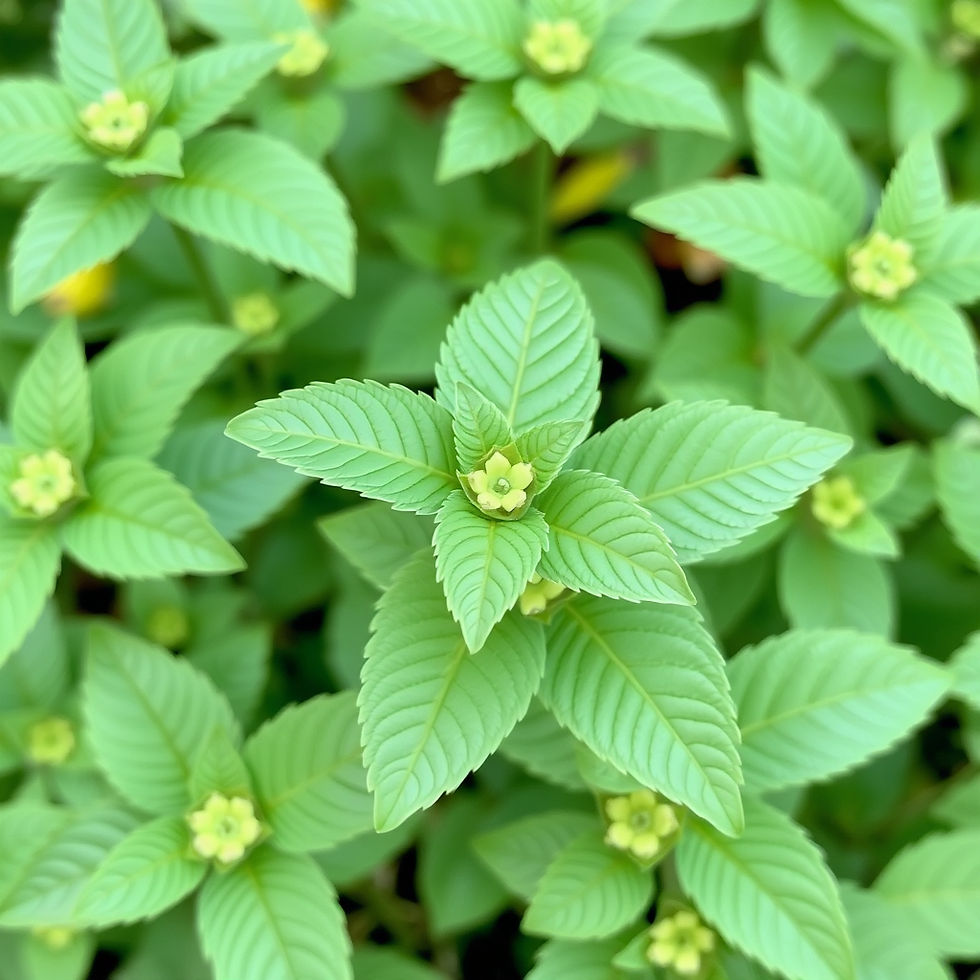
Its bright green leaves and unmistakable fragrance have been welcoming people into kitchens for centuries. Gently rub a leaf between your fingers and you'll discover why it has become one of the world's most beloved culinary herbs, a fresh, sweet aroma with hints of clove, pepper, and anise.
Basil is the herb that makes pesto sing, gives Caprese salad its freshness, and transforms a simple tomato sauce into something that feels like home.
When we stir basil into baked spaghetti or sprinkle it over pizza, we're doing more than adding flavor. We're adding comfort.
A Long History
Native to tropical regions of Asia and Africa, basil has traveled the world for thousands of years.
In India, Holy Basil (Ocimum tenuiflorum) has long been regarded as a sacred plant, while Sweet Basil found its way into Mediterranean kitchens where it became a cornerstone of Italian cooking.
Throughout Europe, basil was often grown just outside the kitchen door, making it easy to gather fresh leaves for soups, sauces, breads, and salads.
Today, it's difficult to imagine a summer herb garden without it.
Traditional Uses
Traditionally, basil has been used to:
Support healthy digestion
Ease occasional gas and bloating
Encourage relaxation after meals
Provide antioxidant support
Add fresh flavor without excess salt
Basil naturally contains antioxidants, flavonoids, and beneficial plant compounds along with small amounts of Vitamin C, calcium, magnesium, potassium, and iron.
Like many culinary herbs, its greatest gift may simply be encouraging us to prepare wholesome meals using fresh ingredients.
Growing Basil
Basil is one of the easiest herbs to grow and rewards even beginner gardeners.
It prefers:
USDA Zones 4–10 as an annual
Full sun (6–8 hours daily)
Rich, well-drained soil
Regular watering
Pinch off the growing tips often to encourage a fuller, bushier plant, and remove flower buds if you're growing it primarily for the leaves.

Harvesting
Begin harvesting once the plant has several sets of leaves.
Rather than picking individual leaves, cut stems just above a pair of leaves. This encourages the plant to branch and produce even more growth.
Fresh basil is best used immediately, but it can also be:
Frozen in olive oil
Made into pesto
Dried for winter cooking
From My Stillroom
Basil is one of those herbs that quietly earns its place in the kitchen.
I always seem to reach for it when making comfort food, spaghetti, lasagna, homemade pizza, soups, or warm tomato sauces. It has a way of making the entire house smell welcoming before dinner is ever served.
Our family especially loves this in Italian Spaghetti Bake. Pair it with a fresh salad and cheesy garlic bread, and chances are everyone will wander into the kitchen asking when supper will be ready.
Italian Spaghetti Bake
24 ounces spaghetti
1 1/2 pounds ground beef
1 large green pepper, chopped
1 medium onion, chopped
30 ounces tomato sauce
8 ounces sliced pepperoni
8 ounces mushroom stems and pieces, drained
1/2 teaspoon dried basil
1/2 teaspoon dried oregano
1/4 teaspoon garlic salt
1/4 teaspoon pepper
3 cups shredded mozzarella cheese
1/2 cup grated Parmesan cheese
Cook spaghetti according to package directions. Drain spaghetti.
In a large saucepan, cook the beef, green pepper and onion over medium heat until meat is no longer pink; drain.
Stir in the tomato sauce, pepperoni, mushrooms, olives and seasonings.
Combine spaghetti and meat sauce in saucepan, then place in 9x13 pan. Sprinkle with cheese.
Bake, uncovered, at 350°F for 20-25 minutes or until heated though.

Herbal Lore
For centuries, basil has been associated with love, abundance, prosperity, and protection.
In many European traditions it was planted near the home to invite good fortune and prosperity. Basil was often tucked into kitchen windows, woven into small sachets, or carried as a symbol of affection and harmony.
Because it has long been connected with both the hearth and the heart, basil became known as an herb that encouraged peace within the home and reminded families that sharing a meal together is one of life's simplest blessings.
Whether appreciated for its folklore or simply its wonderful aroma, basil continues to be one of the most beloved herbs in the kitchen garden.
A Word of Caution
Basil is considered very safe as a culinary herb.
As with any herb, those who are pregnant, nursing, taking prescription medications, or managing ongoing medical conditions should consult their healthcare provider before using concentrated herbal preparations or supplements.
These statements have not been evaluated by the Food and Drug Administration.
Hearthkeeper's Tip
Never refrigerate fresh basil.
Cold temperatures quickly darken the leaves and diminish the flavor. Instead, place fresh stems in a glass of water on the countertop, just as you would fresh flowers. They'll often stay vibrant for several days.
At a Glance
Botanical Name: Ocimum basilicum
Family: Mint (Lamiaceae)
Parts Used: Leaves
Flavor: Sweet, peppery, slightly clove-like
Traditional Uses: Culinary herb, digestive support, antioxidant-rich, calming after meals
Companion Herbs: Oregano, Parsley, Thyme, Rosemary, Garlic
Growing Zones: 4–10 (annual), perennial in frost-free climates
Pollinator Friendly: Yes! Bees absolutely love basil flowers.
From my hearth to yours,
"Basil reminds us that some of life's greatest comforts begin with the simplest ingredients—a handful of fresh leaves, a warm meal shared around the table, and the people we love gathered close."
~Granny B


Comments