
Herbal Wisdom~Holy Basil
Updated: Jul 18
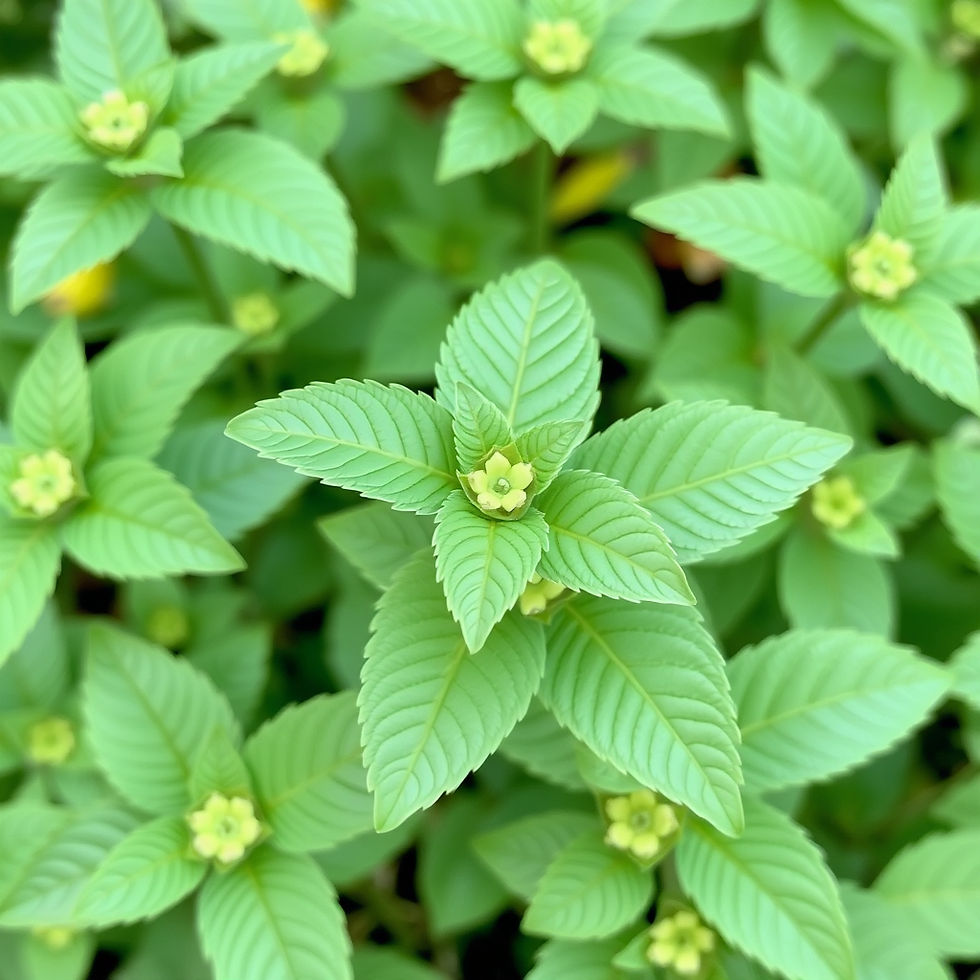
Don't let the name fool you, holy basil isn't the same sweet basil we tuck into pasta sauce.
Known as Tulsi, this remarkable herb has been cherished for thousands of years, especially in India, where families have traditionally grown it in clay pots near the entrance of the home. More than just a culinary herb, tulsi has long been regarded as a symbol of health, protection, and well-being.
Like sweet basil, tulsi belongs to the mint family, but its personality is quite different. Crush a leaf between your fingers and you'll notice a warm, peppery fragrance with hints of clove, mint, and just the faintest whisper of the basil we're familiar with in the kitchen.
While it's delicious in curries and stir-fries, my favorite way to enjoy tulsi is steeped into a warm cup of tea. That's where its quiet, comforting nature truly shines.
A Long History
Holy basil has been cultivated for more than 3,000 years and is considered one of the most revered herbs in Ayurvedic tradition.
In many Indian homes, tulsi is lovingly tended in courtyards and gardens, where it represents purity, devotion, and the nurturing of family life. It has traditionally been enjoyed as tea, incorporated into herbal preparations, and even planted near homes to naturally discourage insects.

Its long history reminds us that some of the simplest plants often become the most treasured.
Traditional Uses
Traditionally, herbalists have turned to holy basil to:
Encourage calm during times of occasional stress
Support mental clarity and focus
Promote a healthy response to everyday stressors
Support immune function
Encourage healthy digestion
Help maintain healthy blood sugar and cholesterol levels already within normal ranges
Support healthy blood pressure already within normal ranges
Provide antioxidant support
Holy basil is considered an adaptogen, a term used for herbs traditionally believed to help the body adapt to physical and emotional stress while encouraging balance rather than stimulation.
Rather than working quickly, tulsi has earned a reputation for offering gentle, steady support over time.
Growing Holy Basil
Tulsi is surprisingly easy to grow and thrives in warm weather.
It prefers:
USDA Zones 10–11 as a perennial
Grown as an annual in cooler climates
Full sun
Rich, well-drained soil
Regular watering
Like other members of the mint family, frequent harvesting encourages fuller, bushier growth.
Harvesting
Begin harvesting once the plant is well established.
Pick leaves throughout the growing season, preferably in the morning after the dew has dried.
Leaves may be enjoyed fresh or dried in small bundles and stored in airtight jars away from heat and sunlight for use throughout the year.
From My Stillroom
When life feels especially busy, tulsi is one of the herbs I naturally find myself reaching toward.
Its warm, comforting aroma seems to invite you to slow down, breathe a little deeper, and simply be present for a few quiet moments.
Whether enjoyed alone or blended with other calming herbs, holy basil has become one of my favorite evening teas.
One of my favorite recipes is this Goodnight Kiss Tea Blend, shared by Mountain Rose Herbs. It has become a comforting addition to many quiet evenings.
Goodnight Kiss Tea Blend
3 parts organic marshmallow root
2 parts organic rose buds
2 parts organic Vana holy basil
1 part organic cassia cinnamon chips, or 1/2 part organic cassia cinnamon powder, or 1 organic cassia cinnamon stick
Blend all herbs together in a bowl and store in a cool, dark, dry place.
When making the tea, bring water to gentle simmer.
Scoop blend into tea strainer or kettle. Use 1/4 to 1/2 cup of tea blend for each brewed 8 ounce cup you plan to enjoy (depending on your tastes).
Pour water over tea blend, cover, and let steep for 10 minutes (covering will hold in all of the beneficial oils instead of them evaporating off).
Remove strained herbs and add sweetener if desired.
Drink slowly and mindfully and, most of all, enjoy!
Recipe courtesy of Mountain Rose Herbs Blog.
This post is not sponsored nor do I receive any commissions from sharing, this tea is just REALLY good.
Herbal Lore
In Hindu tradition, Tulsi is often called "The Queen of Herbs."
For centuries, she has symbolized protection, devotion, purification, and harmony within the home. Families traditionally cared for the plant with great respect, believing its presence brought blessings and encouraged peace throughout the household.
In many folk traditions, holy basil has also been associated with clarity, emotional balance, and spiritual renewal. Whether appreciated for its rich cultural history or simply for the comfort found in a warm cup of tea, tulsi continues to remind us that true strength is often gentle.
A Word of Caution
Holy basil is generally considered safe for many adults when enjoyed in moderation.
However, because it may interact with medications affecting blood sugar, blood pressure, or blood clotting, those taking prescription medications or managing chronic health conditions should consult their healthcare provider before using it regularly.
Holy basil is not generally recommended during pregnancy or while breastfeeding unless advised by a qualified healthcare professional.
These statements have not been evaluated by the Food and Drug Administration. This information is intended for educational purposes only and is not intended to diagnose, treat, cure, or prevent any disease.
Hearthkeeper's Tip
Keep a small jar of dried tulsi near your favorite teacup.
Even on the busiest days, taking ten quiet minutes to steep a cup of tea can become a simple ritual of rest, one that reminds you to care for yourself with the same kindness you offer everyone else.
At a Glance
Botanical Name: Ocimum tenuiflorum
Common Name: Holy Basil, Tulsi
Family: Mint (Lamiaceae)
Parts Used: Leaves and flowering tops
Flavor: Warm, peppery, clove-like with hints of mint
Traditional Uses: Adaptogenic support, calming herb, digestive support, immune support
Companion Herbs: Lemon Balm, Chamomile, Rose, Cinnamon, Marshmallow Root, Lavender
Growing Zones: 10–11 (annual in cooler climates)
Pollinator Friendly: Yes! Bees absolutely adore Tulsi's fragrant flowers.
From my hearth to yours,
"Tulsi reminds us that strength doesn't always roar. Sometimes it arrives quietly, in the form of a warm cup of tea, a peaceful moment, and the gentle wisdom to slow down."
~Granny B


Comments